Scientific illustration connecting plants, insect vectors, microorganisms and laboratory observation.

Research / current work - Jasmine Cadena

Plant-vector-microorganism researcher

grapevine systemsleafhopper vectorshost plant resistancemolecular epidemiology

Research / current work

Research Interests

A common thread throughout my research is a fascination with biological interactions and the ways organisms influence one another within agricultural systems. While my work focuses on understanding biological mechanisms, I am particularly interested in questions that may ultimately contribute to more sustainable approaches to crop protection and agricultural management.

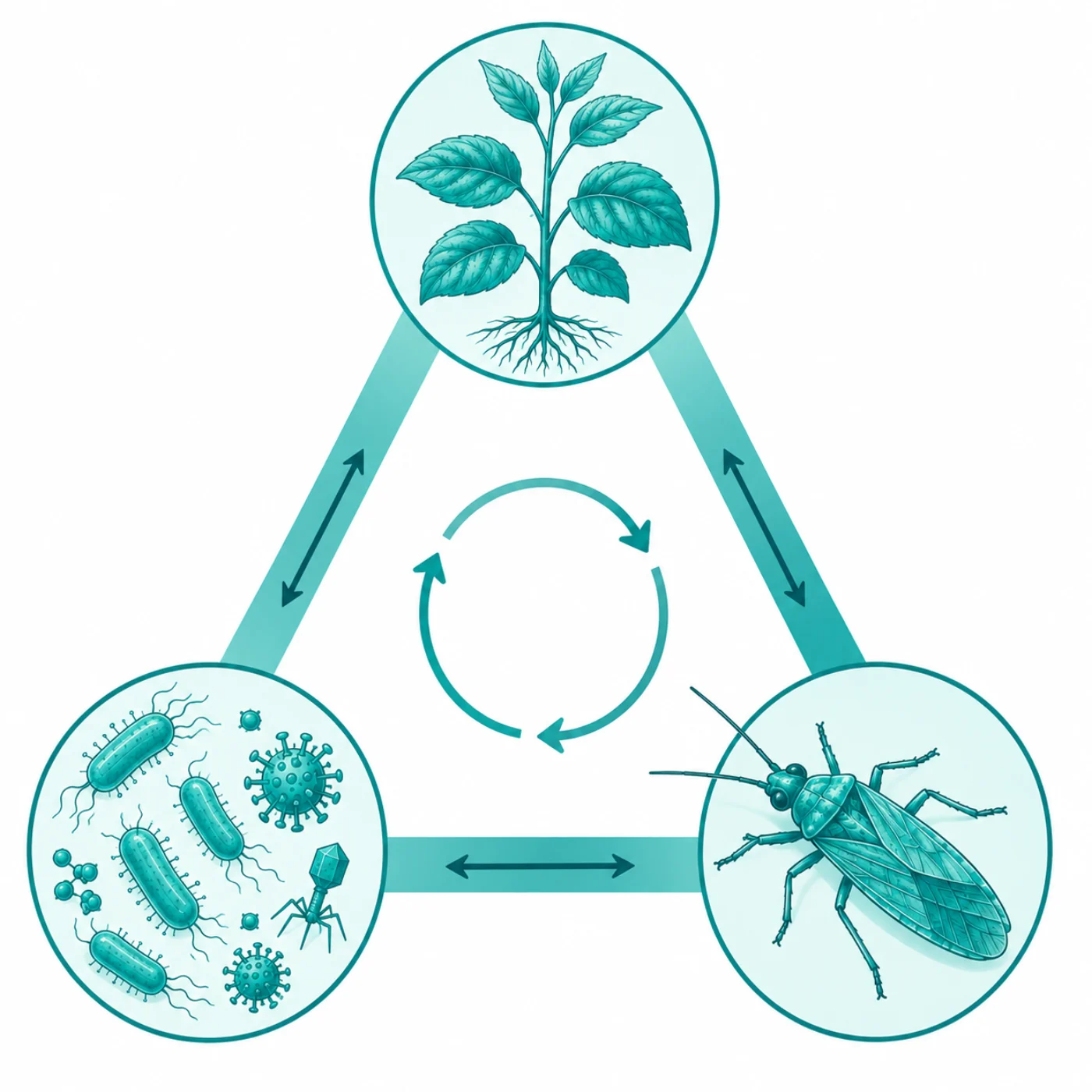
I am especially interested in plant-vector-microorganism interactions and in how these relationships affect insect physiology, behaviour, host plant use and plant susceptibility. My research explores questions related to host choice, insect performance, oviposition, feeding behaviour and host plant resistance, with a focus on the mechanisms that underlie these processes.

Looking ahead, I would like to expand my research towards the physiological, behavioural and chemical mechanisms shaping these interactions, including the role of plant metabolites and chemical signalling. I am also interested in beneficial microorganisms, symbiotic associations and biological control agents such as entomopathogenic fungi.

More broadly, I am interested in understanding how naturally occurring biological interactions can be better understood and potentially harnessed to support more sustainable agricultural systems.

Plant-vector-microorganism interactions.

Current research

Plant-Vector-Microorganism Interactions in Grapevine

As a PhD researcher at Agroscope (Switzerland), I investigate interactions among grapevine cultivars, the leafhopper vector Scaphoideus titanus and Flavescence dorée phytoplasma.

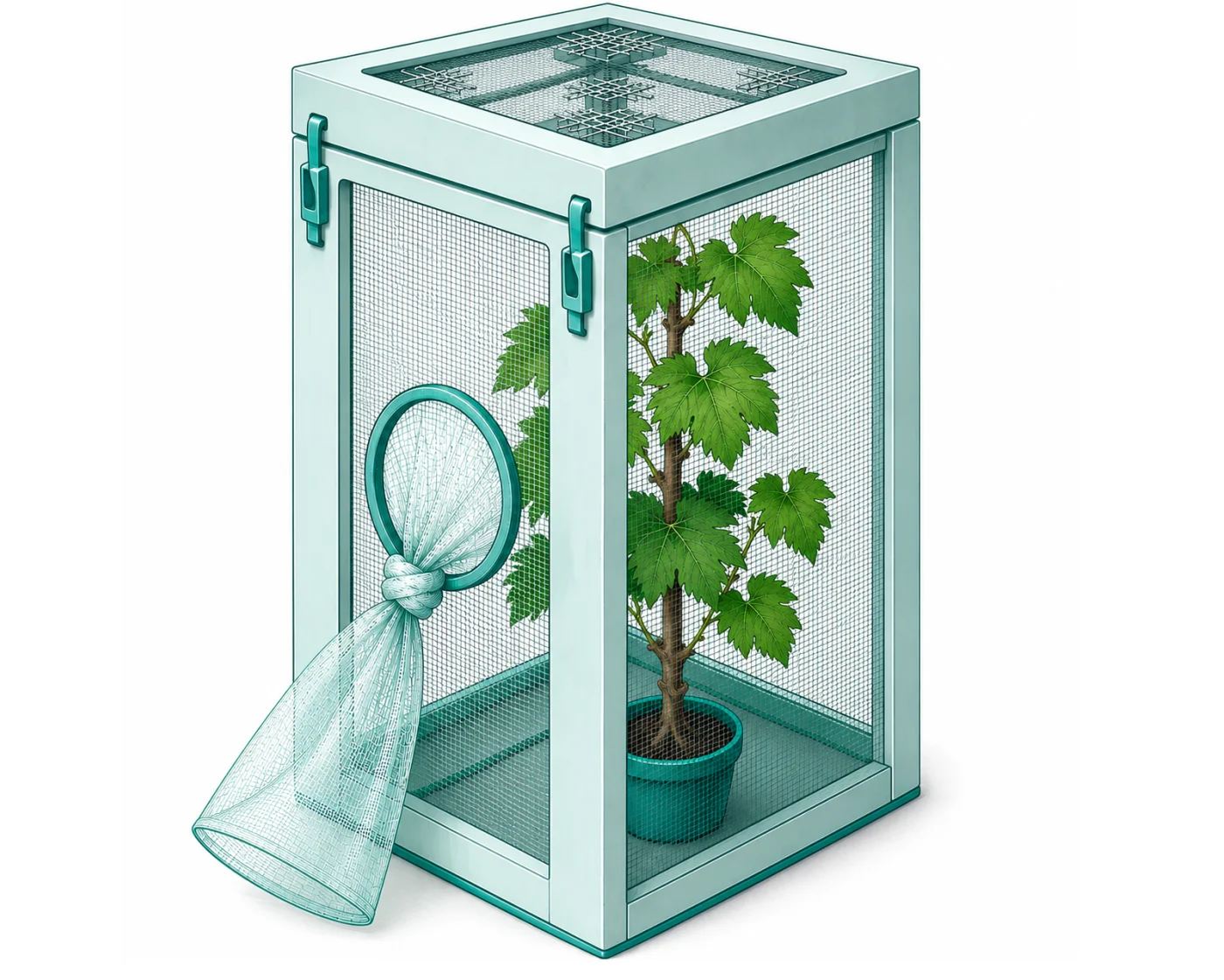
A major component of my work has focused on understanding how Swiss grapevine cultivars differ in their susceptibility to Flavescence dorée and the mechanisms underlying the differences. To address this question, I combined the analysis of more than ten years of epidemiological data from vineyards in Western Switzerland with controlled quarantine greenhouse experiments.

Field analyses revealed marked differences in disease prevalence between cultivars, particularly between Pinot Noir and Chasselas. However, these differences were not fully explained by the levels of susceptibility observed under controlled infection conditions, suggesting that additional biological mechanisms were involved.

This observation led me to investigate plant-insect interactions as a potential driver of cultivar-dependent disease dynamics. Through a series of experiments, I evaluated host choice, insect survival, reproductive traits (egg load, oviposition preference, oviposition rate and egg hatching), body mass and feeding behaviour on different grapevine cultivars. These studies consistently showed reduced insect fitness on Chasselas compared to Pinot Noir, accompanied by lower field populations of nymphs and adults. Together, these results support the hypothesis that antibiosis-based resistance contributes to the lower disease prevalence observed in Chasselas vineyards.

In parallel, I investigated the population genetics of Flavescence dorée phytoplasma in Switzerland using high-resolution SNP genotyping. Using previously available molecular markers, we confirmed that the Swiss epidemic most likely originated through the introduction of infected plant material. Building on next-generation sequencing data from Swiss phytoplasma populations, I identified and developed novel SNP markers adapted to the genetic diversity of Swiss populations. Their use increased the number of distinguishable genotypes from three to nine, allowing a much finer reconstruction of the introduction and spread of Flavescence dorée phytoplasma in Western Switzerland. This work resulted in a peer-reviewed publication.

Scientific publications
Grapevine field research.

Previous research projects

Master's thesis (10 months) – Agroscope, Switzerland

Mycoviruses in Vineyard Endophytes

During my master's thesis at Agroscope, I investigated interactions between fungal endophytes and mycoviruses in grapevine-associated fungi. The project aimed to understand how viral infection influences fungal performance under different environmental conditions and stress factors.

A key component of the project involved generating isogenic fungal lines by curing infected strains of their viruses through hyphal tipping, allowing direct comparisons between virus-infected and virus-free isolates. I then developed and conducted a series of bioassays assessing fungal growth, biomass production, sporulation, and responses to temperature, osmotic stress and oxidative stress. Despite extensive phenotyping under different environmental conditions and stress factors, no detectable differences were observed between virus-infected and virus-free isolates.

I also designed and implemented experiments to investigate the horizontal transmission of mycoviruses between fungal strains. Initial transmission attempts conducted on PDA medium were unsuccessful. A subsequent experiment using apples as a substrate resulted in a successful transmission event, although the virus was lost during subsequent subculturing, preventing the establishment of a stable infected line.

This project provided my first experience in independently developing experimental designs and managing a research project from conception to execution. It also involved the use of molecular biology techniques, including DNA and RNA extractions, PCR and RT-PCR analyses, to verify viral infection status and monitor experimental material. More broadly, it strengthened my interest in studying biological interactions across multiple levels of organisation.
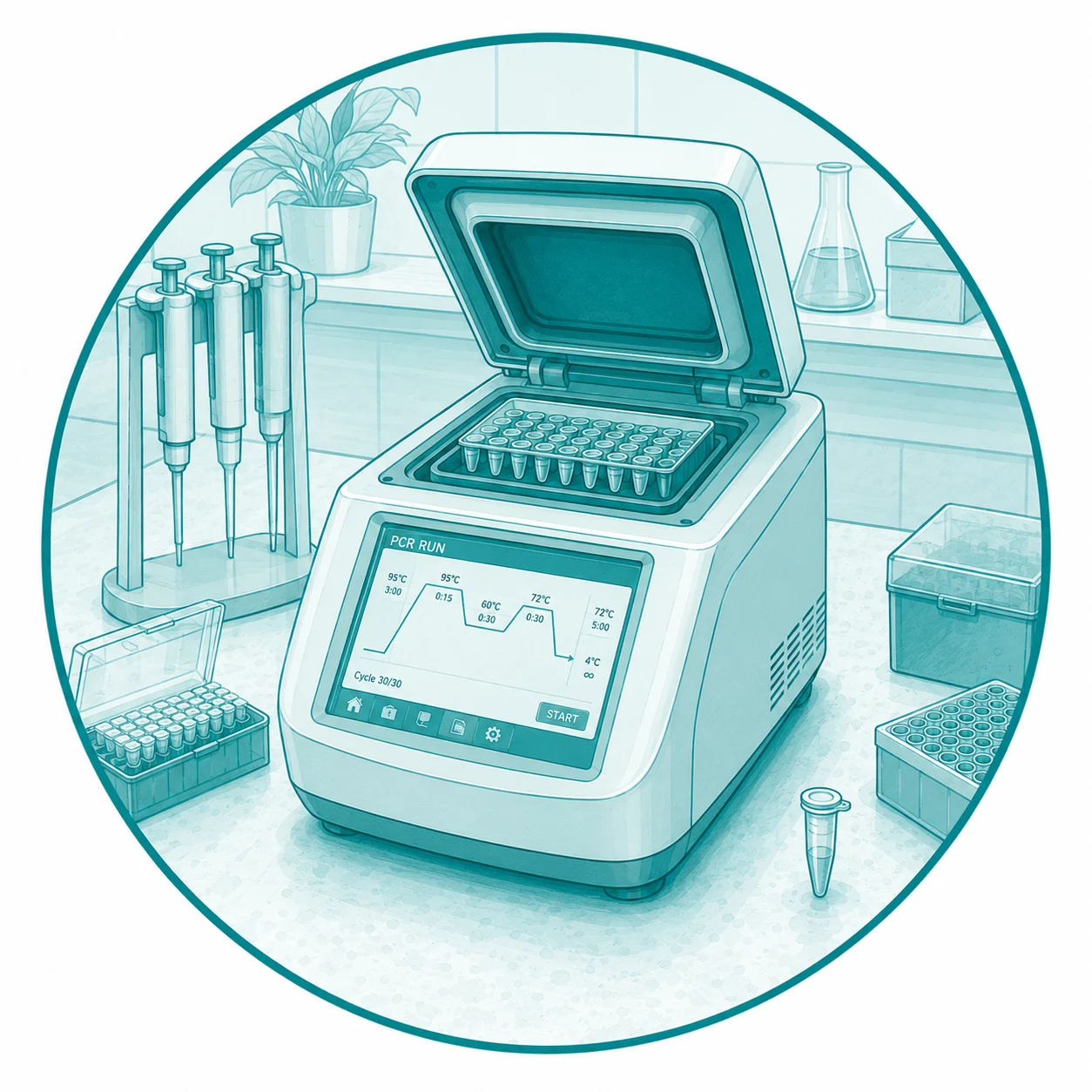
Laboratory material for fungal endophyte and mycovirus research.

Bachelor's thesis (4 months) – INRAE, France

Vineyard Microbiota

My bachelor's thesis focused on the grapevine microbiota and its role within the vineyard holobiont. Combining laboratory work and an extensive literature review, I explored how microbial communities contribute to plant functioning, health and adaptation to environmental conditions.

The project involved the preparation of plant samples for metagenomic analyses and provided my first experience in a research laboratory. Alongside the experimental work, I conducted an in-depth review of the scientific literature on grapevine-associated microbial communities. This project culminated in a peer-reviewed review article on the grapevine microbiota, published with shared first authorship. (Link: The microbiota of the grapevine holobiont: A key component of plant health)

This experience sparked my interest in plant-associated microorganisms and highlighted the importance of considering plants as complex biological systems shaped by interactions with diverse microbial partners.

Research internship (1 month) – Association Technique Viticole de Bourgogne (ATVB), France

Soil-Vine Interactions

During a short research internship at ATVB, I investigated relationships between soil physicochemical properties and grapevine decline associated with the 161-49C rootstock. The objective was to identify potential associations between soil characteristics and the prevalence of decline symptoms in vineyards.

To address these questions, I analysed complex datasets using correlation analyses and multivariate statistical approaches, including principal component analysis (PCA), to explore patterns and generate hypotheses regarding the factors associated with vine decline.

Although brief, this experience provided valuable exposure to the use of statistical tools for studying plant-environment interactions in agricultural systems. It also reflected my desire to strengthen my understanding of data analysis and statistical approaches, which I consider essential for addressing biological questions in agricultural research.